





Why Annual Health Checkups Matter
Aug 26, 2026
Many health problems can develop gradually without causing noticeable symptoms in the beginning. This is one of the main reasons Why Annual Health Checkups Matter. A routine health assessment gives you an opportunity to review important aspects of your health, discuss concerns, and identify whether any preventive screenings may be appropriate.
Annual Health Checkups are not necessarily the same for everyone. The type of examination or testing recommended can depend on factors such as age, family history, lifestyle, existing health conditions, medications, and individual risk factors.
Why Annual Health Checkups Matter
The importance of regular health assessments goes beyond looking for illness. Annual Health Checkups can provide an opportunity to understand your current health status and keep track of changes over time.
A healthcare professional may review your medical history, lifestyle habits, blood pressure, weight, and other health indicators. Depending on your individual needs, additional laboratory tests or screenings may also be recommended.
1. Helps Monitor Your Overall Health
One important reason Why Annual Health Checkups Matter is that they provide an opportunity to review your general health regularly.
During a checkup, a healthcare professional may discuss:
-
Blood pressure
-
Weight and body measurements
-
Lifestyle habits
-
Family health history
-
Current medications
-
Existing health concerns
-
Recommended preventive screenings
Regular monitoring can make it easier to notice changes that may otherwise be overlooked.
2. Encourages Timely Identification of Health Concerns
Certain health conditions can develop gradually without causing noticeable symptoms at first. Regular health assessments and recommended screening tests may help identify particular conditions or risk factors before they become more apparent. However, an annual checkup cannot detect every possible health problem. The tests and screenings recommended may differ based on factors such as age, medical history, family history, and individual risk.
This is an important part of understanding Why Annual Health Checkups Matter, especially for people with specific health risks.
3. Helps Identify Health Risk Factors
Annual Health Checkups can help identify factors that may increase your future risk of certain health conditions.
For example, a healthcare professional may evaluate factors related to:
-
Blood pressure
-
Blood glucose
-
Cholesterol
-
Body weight
-
Family history
-
Physical activity
-
Diet
-
Tobacco or alcohol use
Understanding these factors can help you make informed decisions about your health.
4. Encourages Preventive Healthcare
Preventive healthcare focuses on maintaining health and reducing the risk of certain diseases rather than waiting until symptoms appear.Depending on your age and health profile, a healthcare professional may discuss vaccinations, screening tests, nutrition, physical activity, sleep, and other preventive measures.
This preventive approach is a key part of understanding Why Annual Health Checkups Matter.
5. Helps Track Changes Over Time
A single health measurement provides only a snapshot. Regular checkups can help healthcare professionals compare results over time.
For example, changes in blood pressure, blood glucose, cholesterol, or body weight may become easier to recognize when measurements are monitored regularly.
Tracking these changes can provide useful information when deciding whether additional evaluation or lifestyle adjustments are needed.
6. Provides an Opportunity to Discuss Health Concerns
People sometimes ignore minor or unusual symptoms because they appear manageable or temporary.
An annual appointment provides an opportunity to discuss concerns such as:
-
Persistent tiredness
-
Changes in sleep
-
Digestive problems
-
Changes in weight
-
Headaches
-
Changes in appetite
-
Unusual aches or discomfort
Discussing persistent symptoms with a healthcare professional can help determine whether further evaluation is appropriate.
7. Helps Assess Blood Pressure and Cholesterol
High blood pressure and abnormal cholesterol levels may not always cause noticeable symptoms.
Routine health assessments may include checking these important health indicators. Depending on your age, medical history, and risk factors, your healthcare professional may recommend additional testing.
Regular monitoring can help identify changes that may require attention.
8. Supports Diabetes Risk Assessment
Blood glucose testing may be recommended for people with certain symptoms or risk factors for diabetes.
Family history, age, body weight, physical inactivity, and previous blood glucose abnormalities can influence diabetes risk.
Annual Health Checkups can provide an opportunity to discuss whether diabetes screening is appropriate for you.
9. Encourages Healthy Lifestyle Choices
A checkup is also an opportunity to review everyday habits that influence long-term health.
Your healthcare professional may discuss:
-
Balanced nutrition
-
Regular physical activity
-
Sleep habits
-
Stress management
-
Tobacco use
-
Alcohol consumption
-
Healthy weight management
Small, sustainable changes can contribute to better overall health.
10. Helps Create a More Personalized Health Plan
Everyone has different health needs, so the same checkup plan may not be suitable for every person. Annual Health Checkups give healthcare professionals an opportunity to understand your individual health profile and suggest relevant screenings or assessments.
Recommendations may be influenced by:
-
Your age and overall health
-
Family medical history
-
Previous health concerns
-
Daily lifestyle and habits
-
Medicines or supplements you use
-
Existing risk factors
-
Previous test results
Rather than undergoing the same tests every year, your healthcare professional can suggest evaluations that are relevant to your specific situation. This personalized approach is another important reason Why Annual Health Checkups Matter.
What May Be Included in Annual Health Checkups?
The contents of Annual Health Checkups can vary considerably. A healthcare professional may consider:
-
Medical history review
-
Blood pressure measurement
-
Weight and body measurements
-
Lifestyle assessment
-
Medication review
-
Blood glucose testing when appropriate
-
Cholesterol testing when appropriate
-
Other laboratory tests or screenings based on individual risk
Not everyone needs the same tests every year. Screening should be based on appropriate medical recommendations.
Are Annual Health Checkups Necessary If You Feel Healthy?
Feeling healthy is a positive sign, but it does not always mean that every health indicator is within the recommended range.
For this reason, people with certain age-related or personal risk factors may benefit from regular preventive assessments even when they feel well.
However, the appropriate frequency of checkups depends on individual circumstances.
Who Should Consider Annual Health Checkups?
The need for regular health assessments varies from person to person. Annual Health Checkups may be particularly useful for people who have ongoing health concerns, significant risk factors, or a family history of certain conditions.
Older adults and people managing chronic health conditions may also require more frequent monitoring.
Younger and healthy individuals may not necessarily need the same tests or frequency. Healthcare recommendations should be based on individual circumstances.
How Can You Prepare for an Annual Health Checkup?
Before your appointment, it can be helpful to prepare a list of:
-
Current medications and supplements
-
Previous medical reports
-
Existing health conditions
-
Family medical history
-
Recent symptoms or health changes
-
Questions you want to discuss
If blood tests are planned, follow any preparation instructions provided by your healthcare professional or laboratory.
What Are the Long-Term Benefits of Regular Health Monitoring?
Regular health monitoring can help you understand how your health changes over time. It can also provide opportunities to discuss preventive measures and address potential concerns before they become more difficult to manage.
The value of Annual Health Checkups is not simply the number of tests performed. The goal is to use appropriate health information to support informed decisions about prevention, screening, and overall well-being.
Conclusion
Understanding Why Annual Health Checkups Matter can encourage a more preventive approach to healthcare. Regular assessments can help monitor important health indicators, identify certain risk factors, discuss ongoing symptoms, and determine whether age- or risk-based screenings are appropriate. At the same time, an annual checkup is not a guarantee that every health condition will be detected or prevented. The recommended schedule and tests should be based on your individual health needs.
Making Annual Health Checkups part of a long-term approach to preventive healthcare can help you stay informed about your health and make timely, informed decisions with the guidance of a healthcare professional.
FAQ’s
1. Why are annual health checkups important?
Annual Health Checkups provide an opportunity to review your overall health, monitor important health indicators, discuss concerns, and determine whether preventive screenings are appropriate for you.
2. What are the main benefits of annual health checkups?
Regular checkups can help monitor changes in your health, identify certain risk factors, support preventive care, and provide an opportunity to discuss lifestyle and health concerns with a healthcare professional.
3. Are annual health checkups necessary if I feel healthy?
Feeling healthy does not always mean that there are no underlying health risks. Some conditions may develop without noticeable symptoms, so appropriate preventive assessments can still be useful for certain individuals.
4. What is usually checked during an annual health checkup?
Depending on your individual needs, a checkup may include a medical history review, blood pressure measurement, physical measurements, lifestyle assessment, and selected laboratory tests or screenings.
5. Does everyone need the same annual health checkup?
No. Healthcare needs differ between individuals. Age, family history, lifestyle, existing conditions, medications, and personal risk factors can influence which assessments are appropriate.
6. Can annual checkups help detect health problems early?
Certain screening tests and routine assessments can help identify some health conditions or risk factors before noticeable symptoms develop. However, not every disease can be detected through a routine checkup.
7. Can an annual checkup help assess diabetes risk?
Yes. A healthcare professional may review factors such as family history, body weight, lifestyle, and previous blood glucose results to determine whether diabetes screening is appropriate.
8. Can annual health checkups monitor blood pressure?
Yes. Blood pressure is commonly assessed during routine healthcare visits. Regular monitoring can help identify consistently elevated readings that may require further evaluation.
9. Can annual health checkups include cholesterol testing?
Cholesterol testing may be recommended depending on your age, health history, risk factors, and previous results. It is not necessarily required every year for everyone.
10. How do annual health checkups support preventive healthcare?
They provide an opportunity to review vaccinations, recommended screenings, lifestyle habits, and other preventive measures based on your personal health profile.
11. How often should a person have a health checkup?
The appropriate frequency varies from person to person. Some individuals may benefit from yearly assessments, while others may require visits at different intervals based on their health needs and professional recommendations.
12. What should I take to an annual health checkup?
It can be helpful to bring information about your current medications, supplements, previous medical reports, existing health conditions, family medical history, and any recent symptoms or concerns.
13. Can annual health checkups help with lifestyle changes?
Yes. A routine appointment can provide an opportunity to discuss nutrition, physical activity, sleep, stress, weight management, tobacco use, and other lifestyle factors that may affect overall health.
14. Are blood tests required during every annual health checkup?
Not necessarily. The need for blood tests depends on your age, symptoms, medical history, risk factors, and previous results. A healthcare professional can recommend tests that are appropriate for your situation.
15. What is the biggest reason Why Annual Health Checkups Matter?
The main value of annual health checkups is regular health monitoring. Appropriate checkups can help you stay informed about your health, recognize certain risk factors, and discuss preventive care with a healthcare professional.
Recent Post
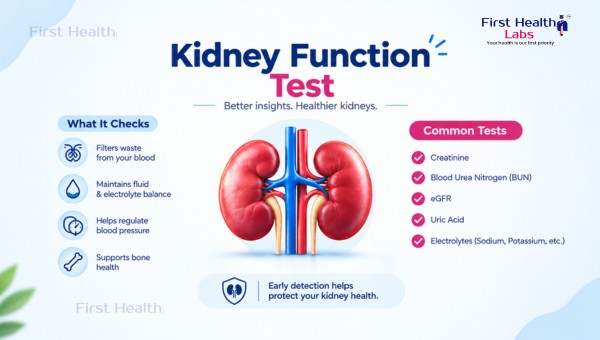
Kidney Function Test: A Complete Guide to Kidney Health
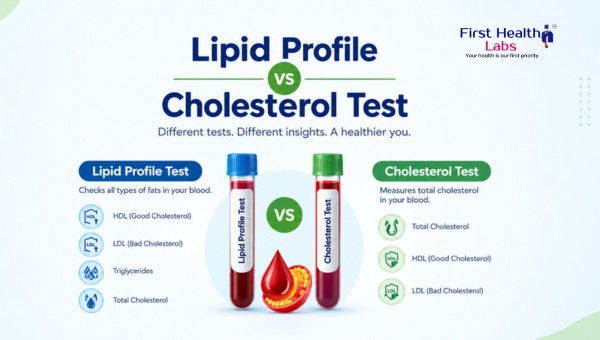
Lipid Profile vs Cholesterol Test: What Is the Difference?
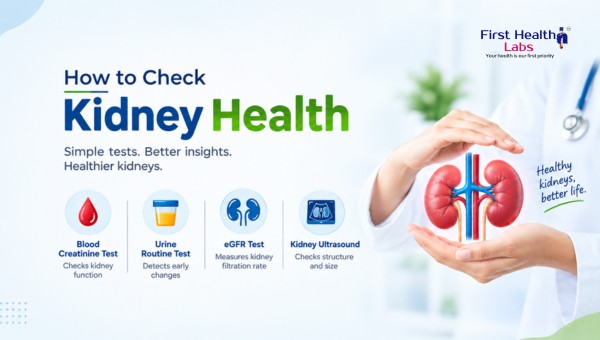
How to Check Kidney Health
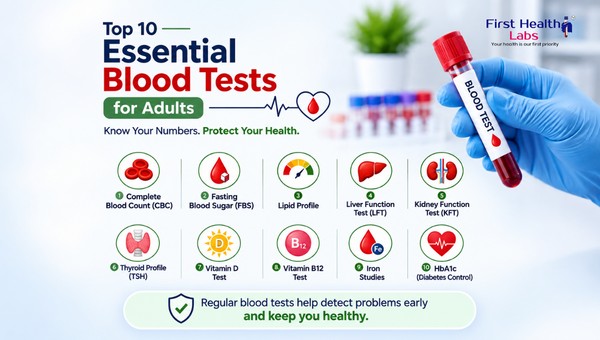
Top 10 Essential Blood Tests for Adults

Vitamin D Deficiency: Symptoms, Causes & Treatment
Early Signs of Diabetes: Warning Signs You Shouldn’t Ignore

Vitamin B12 Deficiency Symptoms

Benefits of Regular Health Checkups for Better Health

10 Essential Tests Every Diabetic Should Regularly Undergo

Unlocking the Benefits of Ozone Therapy for Skin: A Complete Guide