




Early Signs of Diabetes: Warning Signs You Shouldn’t Ignore
Aug 21, 2026
Diabetes can develop gradually, and some people may not notice clear symptoms in the beginning. Understanding the Early signs of Diabetes can help you recognize changes in your body and seek appropriate medical advice.
Diabetes occurs when blood glucose levels remain higher than normal because the body does not produce enough insulin, does not use insulin effectively, or both. If high blood sugar continues over time, it can affect different organs and body systems.
The Early signs of Diabetes can vary from person to person. Some individuals may experience several symptoms, while others may have few or no noticeable symptoms, especially during the early stages.
Early Signs of Diabetes
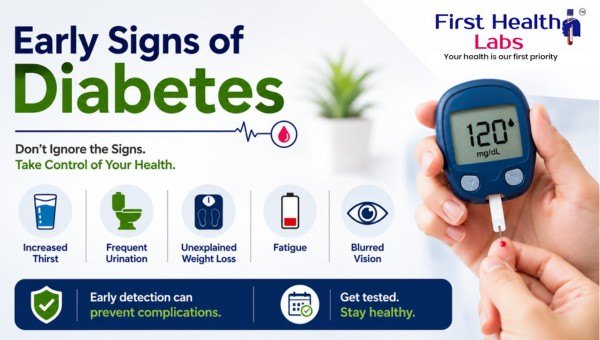
Some common early signs of diabetes include increased thirst, frequent urination, unusual tiredness, increased hunger, unexplained weight loss, blurred vision, slow-healing cuts, and recurrent infections.
These symptoms can also occur because of other health conditions, so experiencing one symptom does not necessarily mean that you have diabetes.
1. Frequent Urination
Needing to urinate more often than usual can be one of the Early signs of Diabetes.
When blood glucose levels become elevated, the kidneys work to remove excess glucose from the blood. This can increase urine production and may cause more frequent trips to the bathroom.
You may particularly notice increased urination during the night. However, frequent urination can also be caused by urinary infections, increased fluid intake, certain medications, and other conditions.
2. Increased Thirst
Frequent urination can cause the body to lose more fluid, which may lead to increased thirst.
You may find yourself drinking water more frequently or feeling thirsty even after drinking fluids. Persistent excessive thirst is one of the symptoms that may occur when blood glucose levels are elevated.
Increased thirst can have several other causes, including dehydration, hot weather, and certain medications, so it should be considered alongside other symptoms.
3. Unusual Tiredness
Persistent fatigue is another possible early sign of diabetes.
When glucose cannot enter cells effectively for energy, the body may not use glucose efficiently. This can leave some people feeling unusually tired or lacking energy.
You may notice that normal daily activities feel more tiring than before or that you continue to feel exhausted despite getting enough rest.
Fatigue is a common symptom with many possible causes, including poor sleep, stress, anemia, thyroid problems, and nutritional deficiencies.
4. Increased Hunger
Feeling hungry more frequently than usual can also occur with diabetes.
When the body cannot use glucose effectively, cells may not receive the energy they need even when there is plenty of glucose in the bloodstream. This may contribute to increased hunger.
Persistent or unusual changes in appetite should be evaluated in the context of other symptoms and health factors.
5. Unexplained Weight Loss
Unintentional weight loss can sometimes be one of the Early signs of Diabetes, particularly when blood glucose levels are significantly elevated.
If the body cannot effectively use glucose for energy, it may begin using stored fat and muscle as alternative energy sources. This can result in weight loss without deliberate changes to diet or exercise.
Unexpected weight loss can have many causes and should be discussed with a healthcare professional.
Early Signs of Diabetes in Women
The Early signs of Diabetes in women can include common symptoms such as frequent urination, increased thirst, fatigue, unexplained weight changes, and blurred vision. Some women may also experience health concerns that can be associated with elevated blood glucose levels.
These may include:
-
Repeated urinary tract infections
-
Recurring vaginal yeast infections
-
Increased vaginal dryness or discomfort
-
Unusual fatigue
-
Slow-healing cuts or wounds
These symptoms do not necessarily mean a woman has diabetes, as they can have several other causes. If symptoms occur repeatedly or persist over time, appropriate medical evaluation and blood glucose testing can help identify the underlying cause.
Early Signs of Diabetes in Men
The Early signs of Diabetes in men can include frequent urination, increased thirst, persistent tiredness, increased hunger, blurred vision, and unexplained weight changes. These symptoms may develop gradually and can sometimes be overlooked.
Men with diabetes may also experience:
-
Reduced sexual function
-
Reduced sexual desire
-
Slow-healing cuts or wounds
-
Recurrent skin or urinary infections
-
Tingling or numbness in the hands or feet
Sexual health changes can have several possible causes and should not automatically be attributed to diabetes. If these symptoms continue or occur alongside other Early signs of Diabetes, consulting a healthcare professional and considering appropriate blood glucose testing may be helpful.
Can Diabetes Develop Without Noticeable Symptoms?
Yes. Diabetes and prediabetes can sometimes be present without clear or noticeable symptoms, particularly in the early stages. A person may feel healthy even when their blood glucose levels are higher than the recommended range.
This is why regular screening can be important for people who have factors that increase their risk, such as a family history of diabetes, excess weight, limited physical activity, or certain health conditions.
Waiting for Early signs of Diabetes may delay detection. If you have known risk factors or concerns about your blood glucose levels, discussing appropriate testing with a healthcare professional can help identify potential problems earlier.
What Causes Diabetes?
Diabetes can develop for different reasons, depending on the type. It is generally linked to problems with insulin production, insulin use, or both.
Type 1 diabetes occurs when the immune system mistakenly attacks the insulin-producing cells in the pancreas, resulting in little or no insulin production.
Type 2 diabetes develops when the body becomes less responsive to insulin. Over time, the pancreas may also struggle to produce enough insulin to keep blood glucose levels within the normal range.
Other forms of diabetes may develop during pregnancy or as a result of certain medical conditions, genetic factors, or medications. Understanding these causes can also help explain why Early signs of Diabetes may vary from one person to another.
Who Is at Higher Risk of Type 2 Diabetes?
Several factors can increase the likelihood of developing type 2 diabetes, including:
-
Family history of diabetes
-
Overweight or obesity
-
Physical inactivity
-
Increasing age
-
Previous gestational diabetes
-
Certain ethnic backgrounds
-
History of prediabetes
-
Certain health conditions
Having a risk factor does not mean that someone will definitely develop diabetes.
How Is Diabetes Diagnosed?
Symptoms alone cannot diagnose diabetes. Blood glucose testing is used to determine whether a person has diabetes or prediabetes.
Depending on the situation, healthcare professionals may recommend tests such as:
-
Fasting blood glucose
-
HbA1c
-
Oral glucose tolerance testing
-
Random blood glucose in certain circumstances
The appropriate test depends on the individual's symptoms, risk factors, and medical history.
When Should You Get Tested for Diabetes?
Diabetes testing may be worth discussing with a healthcare professional if you notice persistent symptoms such as increased thirst, frequent urination, unexplained weight loss, or ongoing tiredness.
Testing can also be appropriate for people who have risk factors for diabetes, even when they feel healthy and have no noticeable Early signs of Diabetes. A healthcare professional can recommend suitable blood glucose tests based on your age, health history, symptoms, and individual risk factors.
Can Early Diabetes Be Prevented?
Type 1 diabetes currently cannot be prevented. However, many cases of type 2 diabetes can be prevented or delayed through healthy lifestyle habits and appropriate management of risk factors.
Helpful habits may include:
-
Maintaining a healthy weight
-
Staying physically active
-
Eating a balanced diet
-
Limiting highly processed foods and sugary drinks
-
Getting adequate sleep
-
Avoiding tobacco
-
Following medical advice for existing health conditions
These habits support overall health but do not guarantee that diabetes will be prevented.
Conclusion
Recognizing the Early signs of Diabetes can help you pay attention to changes in your health. Frequent urination, increased thirst, persistent tiredness, increased hunger, unexplained weight loss, blurred vision, slow-healing wounds, and recurrent infections are some symptoms that may occur with diabetes. However, many of these early signs of diabetes can also be caused by other health conditions. Some people with diabetes may not experience noticeable symptoms at all. If you notice persistent or unexplained changes in your health, especially if you have diabetes risk factors, speak with a healthcare professional. Appropriate blood glucose testing can help determine whether diabetes or another condition may be responsible.
FAQ’s
1. What are the first warning signs of diabetes?
Some early warning signs may include frequent urination, increased thirst, unusual fatigue, increased hunger, unexplained weight loss, and blurred vision. Not everyone experiences noticeable symptoms.
2. Can excessive thirst be an indication of diabetes?
Persistent or unusual thirst can occur when blood glucose levels are elevated. Frequent urination may cause additional fluid loss, which can increase the feeling of thirst.
3. Why does diabetes cause frequent urination?
When blood glucose becomes too high, the kidneys may try to remove excess glucose through urine. This can increase urine production and lead to more frequent urination.
4. Can feeling tired all the time be related to diabetes?
Ongoing fatigue can be associated with diabetes because the body may not use glucose effectively for energy. However, tiredness can also result from many other health conditions.
5. Is unexplained weight loss a sign of diabetes?
Unexpected weight loss can occur when the body cannot effectively use glucose for energy and begins using stored fat and muscle instead.
6. Can diabetes cause increased hunger?
Yes, some people may experience increased hunger when glucose is not being used effectively by the body's cells.
7. Does diabetes affect eyesight?
Changes in blood glucose can temporarily affect the eye's ability to focus, resulting in blurred or fluctuating vision. Persistent vision problems require medical assessment.
8. Can slow-healing wounds indicate diabetes?
Cuts and wounds that heal unusually slowly can sometimes be associated with diabetes, particularly when blood glucose remains elevated. Other factors can also affect wound healing.
9. Are frequent infections associated with diabetes?
People with persistently high blood glucose may have an increased risk of certain infections, including some urinary, skin, and fungal infections.
10. Can tingling in the feet be related to diabetes?
Tingling, burning, or numbness in the feet can occur when diabetes affects nerve function. These symptoms can also have other causes and should be evaluated if they persist.
11. Can diabetes cause dry or itchy skin?
Dry or itchy skin may occur in people with diabetes. Fluid loss and certain diabetes-related skin conditions can contribute to these changes.
12. Can someone have diabetes without experiencing symptoms?
Yes. Diabetes can sometimes develop without obvious symptoms, especially in its earlier stages. Testing may be important for people with relevant risk factors.
13. How can I find out if I have diabetes?
Diabetes is diagnosed through blood glucose testing. Depending on the situation, a healthcare professional may recommend tests such as fasting blood glucose, HbA1c, or other appropriate glucose tests.
14. Who should consider getting tested for diabetes?
People with symptoms or risk factors such as a family history of diabetes, excess weight, physical inactivity, or a history of prediabetes may benefit from discussing screening with a healthcare professional.
15. When should I see a doctor about possible diabetes symptoms?
If you experience persistent thirst, frequent urination, unexplained weight loss, ongoing fatigue, blurred vision, or several other possible Early signs of Diabetes, consider consulting a healthcare professional for appropriate evaluation and testing.
Recent Post
Kidney Function Test: A Complete Guide to Kidney Health

Lipid Profile vs Cholesterol Test: What Is the Difference?

How to Check Kidney Health
Top 10 Essential Blood Tests for Adults

Why Annual Health Checkups Matter

Vitamin D Deficiency: Symptoms, Causes & Treatment

Vitamin B12 Deficiency Symptoms

Benefits of Regular Health Checkups for Better Health

10 Essential Tests Every Diabetic Should Regularly Undergo

Unlocking the Benefits of Ozone Therapy for Skin: A Complete Guide