
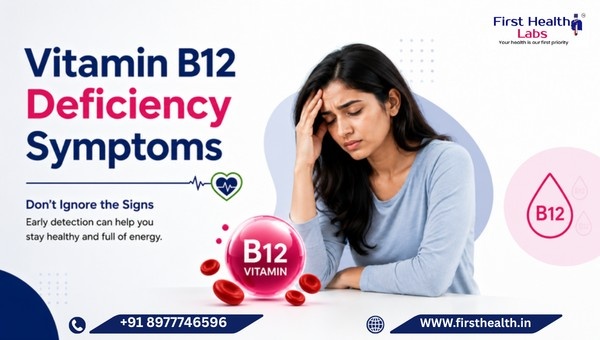




Vitamin B12 Deficiency Symptoms
Aug 17, 2026
Vitamin B12 is an essential nutrient that plays an important role in red blood cell formation, DNA production, and the normal functioning of the nervous system. The body cannot produce vitamin B12 on its own, so it needs to obtain it through food or supplements. When the body does not receive or absorb enough vitamin B12, deficiency can develop gradually. The symptoms may initially be mild and easy to overlook. As the deficiency progresses, however, it can affect energy levels, the blood, nerves, mood, and other aspects of health.Understanding Vitamin B12 Deficiency Symptoms can help you recognize possible warning signs and seek appropriate medical advice. This article explains the common Symptoms of Vitamin B12 deficiency, potential causes, risk factors, and how the condition is evaluated.
Vitamin B12 Deficiency Symptoms
Vitamin B12 is involved in several essential processes in the body. It supports the production of red blood cells and helps maintain normal nerve function.
When levels become too low, the effects can therefore appear in different ways.
For example, a person may first notice:
-
Unusual tiredness
-
Reduced energy
-
Difficulty concentrating
-
Headaches
Over time, some people may develop other Vitamin B12 deficiency signs, such as numbness, tingling, balance difficulties, or changes in the tongue.
The symptoms can vary from one person to another, and having one or more of them does not necessarily mean that vitamin B12 deficiency is the cause.
Common Vitamin B12 Deficiency Symptoms
The Vitamin B12 deficiency symptoms a person experiences can depend on how severe the deficiency is and how long it has been present.
Some common symptoms include:
-
Persistent tiredness or weakness
-
Pale or yellowish skin
-
Headaches
-
Dizziness
-
Shortness of breath
-
Heart palpitations
-
Numbness or tingling
-
Muscle weakness
-
Difficulty concentrating
-
Memory problems
-
Changes in mood
-
Balance problems
-
A sore or swollen tongue
Not everyone with vitamin B12 deficiency experiences all of these symptoms.
Persistent Fatigue and Weakness
Fatigue can be one of the early Vitamin B12 deficiency symptoms. When vitamin B12 levels are low, you may notice changes in your usual energy and physical performance.
Common signs include:
-
Constant tiredness
-
Feeling weak or drained
-
Low energy during the day
-
Reduced exercise tolerance
-
Getting tired during routine activities
-
Feeling less energetic despite adequate rest
Possible reason:
Vitamin B12 is involved in healthy red blood cell production. A deficiency may contribute to anemia, which can result in tiredness and weakness.
Keep in mind:
Fatigue is not specific to vitamin B12 deficiency. Sleep issues, stress, iron deficiency, thyroid problems, and other health conditions can also cause similar symptoms.
Pale or Yellowish Skin
A noticeable change in skin color can sometimes be associated with Vitamin B12 deficiency symptoms. When vitamin B12 levels are low, the body may have difficulty producing healthy red blood cells, which can contribute to a type of anemia.
As a result, some people may notice that their skin looks:
-
Paler than usual
-
Less vibrant or healthy-looking
-
Slightly yellowish
-
Different from their usual complexion
The yellowish appearance may occur because changes in red blood cell production and breakdown can affect the skin's color. These changes may develop gradually, so they are not always immediately noticeable. However, pale or yellowish skin does not necessarily mean that vitamin B12 levels are low. Similar changes can occur with other types of anemia, nutritional deficiencies, liver conditions, and various health problems.If you notice an unexplained or persistent change in your skin color, it is important to consult a healthcare professional. Appropriate evaluation can help determine whether vitamin B12 deficiency or another underlying condition is responsible.
Numbness and Tingling
Numbness and tingling are among the more noticeable Vitamin B12 deficiency signs, particularly when low vitamin B12 levels begin to affect normal nerve function. These sensations may develop gradually and can occur in the hands, feet, arms, or legs. A person may describe the sensation as a feeling of pins and needles, burning, reduced sensitivity, or a mild loss of sensation. In some cases, the symptoms may come and go initially but can become more persistent if the underlying deficiency continues.
Vitamin B12 plays an important role in maintaining healthy nerves. When a deficiency persists, neurological symptoms may develop because the nerves are not functioning normally.
The symptoms may include:
-
Tingling or prickling sensations
-
Numbness in the hands or feet
-
Reduced ability to feel touch
-
Unusual sensations in the arms or legs
-
Increased sensitivity in certain areas
However, numbness and tingling are not caused only by vitamin B12 deficiency. Diabetes, nerve compression, certain medications, nutritional deficiencies, and other neurological conditions can produce similar symptoms.
Balance and Coordination Problems
Balance and coordination difficulties can be among the possible Symptoms of Vitamin B12 deficiency, especially when a prolonged deficiency affects normal nerve function. The nervous system plays an important role in controlling movement, posture, and coordination, so changes in nerve function may affect how steadily a person moves. Someone experiencing this symptom may feel less stable while walking or notice that everyday movements require more effort than usual. In some cases, balance problems may develop alongside numbness, tingling, or muscle weakness.
Common changes may include:
-
Feeling unsteady while walking
-
Difficulty maintaining balance
-
Increased muscle weakness
-
Trouble coordinating movements
-
Feeling less stable when climbing stairs
-
Difficulty with movements that require precision
These symptoms can vary from person to person and may become more noticeable as the underlying problem continues.
However, balance and coordination problems are not specific to vitamin B12 deficiency. They can also be associated with neurological conditions, inner-ear problems, medication effects, muscle weakness, and other health concerns.
Difficulty Concentrating
Another possible symptom is difficulty concentrating or maintaining mental focus.
Some people describe this as:
-
Brain fog
-
Forgetfulness
-
Difficulty focusing
-
Slower thinking
These symptoms are not specific to vitamin B12 deficiency and can also be associated with stress, poor sleep, medications, nutritional deficiencies, and other conditions.
Memory Changes
Memory changes can develop gradually and may be one of the less noticeable Symptoms of Vitamin B12 deficiency. Some people may begin to forget things more frequently, have difficulty recalling familiar information, or find it harder to stay focused on work and everyday activities. Vitamin B12 contributes to the normal functioning of the nervous system. When deficiency continues for a prolonged period, neurological changes may occur and can sometimes affect memory, concentration, and mental clarity. A person may notice that they need more time to remember information, lose track of conversations, or struggle to concentrate on tasks that previously felt easy. These changes can vary depending on the severity and duration of the deficiency.
Mood Changes
Changes in mood can be one of the possible Vitamin B12 deficiency symptoms, especially when low vitamin B12 levels persist for some time. Because vitamin B12 supports normal nervous system function, a deficiency may sometimes be associated with changes in emotional well-being and mental clarity.
A person may notice increased irritability, a persistent low mood, or changes in their usual emotional response. These changes may occur along with other symptoms such as tiredness, difficulty concentrating, forgetfulness, or reduced energy.
Mood-related Vitamin B12 deficiency signs may include:
-
Feeling unusually irritable
-
Persistent low mood
-
Changes in emotional well-being
-
Reduced interest in usual activities
-
Difficulty concentrating
-
Feeling mentally tired or less alert
However, mood changes can develop for many different reasons, including stress, poor sleep, lifestyle factors, hormonal changes, certain medications, and other health conditions. Therefore, mood changes alone cannot confirm vitamin B12 deficiency.
Sore or Swollen Tongue
Changes in mood can be one of the possible Vitamin B12 deficiency symptoms, especially when low vitamin B12 levels persist for some time. Because vitamin B12 supports normal nervous system function, a deficiency may sometimes be associated with changes in emotional well-being and mental clarity. A person may notice increased irritability, a persistent low mood, or changes in their usual emotional response. These changes may occur along with other symptoms such as tiredness, difficulty concentrating, forgetfulness, or reduced energy.
Mood-related Vitamin B12 deficiency signs may include:
-
Feeling unusually irritable
-
Persistent low mood
-
Changes in emotional well-being
-
Reduced interest in usual activities
-
Difficulty concentrating
-
Feeling mentally tired or less alert
However, mood changes can develop for many different reasons, including stress, poor sleep, lifestyle factors, hormonal changes, certain medications, and other health conditions. Therefore, mood changes alone cannot confirm vitamin B12 deficiency.
Headaches and Dizziness
Headaches and dizziness can be among the possible Vitamin B12 deficiency symptoms, particularly when a deficiency contributes to anemia. Reduced oxygen delivery to the body's tissues may leave some people feeling light-headed, weak, or less energetic. A person may experience dizziness when standing up quickly, during physical activity, or after exertion. Headaches may also occur alongside tiredness or weakness. However, headaches and dizziness are common symptoms that can result from many factors, including dehydration, lack of sleep, low blood pressure, stress, anemia from other causes, and certain health conditions. Therefore, these symptoms alone cannot confirm vitamin B12 deficiency.
If headaches or dizziness occur frequently, become severe, or continue over time, it is advisable to seek medical evaluation to identify the underlying cause.
Shortness of Breath and Heart Palpitations
When vitamin B12 deficiency causes significant anemia, the body may have difficulty delivering enough oxygen to tissues.
This can contribute to:
-
Shortness of breath
-
Increased heart rate
-
Heart palpitations
-
Reduced exercise tolerance
These symptoms can also indicate other health problems. Severe or sudden breathing difficulties or chest-related symptoms require prompt medical attention.
Causes of Vitamin B12 Deficiency
Understanding the possible causes can be just as important as recognizing the Symptoms of Vitamin B12 deficiency. Inadequate Dietary Intake
Vitamin B12 is naturally found mainly in animal-derived foods such as:
-
Fish
-
Meat
-
Poultry
-
Eggs
-
Milk and dairy products
People who consume little or no animal-derived food may have a higher risk of inadequate vitamin B12 intake, particularly if they do not consume fortified foods or appropriate supplements.
Problems With Vitamin B12 Absorption
The body needs to absorb vitamin B12 effectively from food. Certain gastrointestinal conditions or surgeries can interfere with this process.
Examples include conditions affecting the stomach or small intestine and certain procedures that alter the digestive system.
Pernicious Anemia
Pernicious anemia is an autoimmune condition that can interfere with the absorption of vitamin B12 because the body does not produce enough intrinsic factor, a protein needed for vitamin B12 absorption.
Certain Medications
Long-term use of some medications can affect vitamin B12 absorption or levels. Examples may include certain medicines used for diabetes or conditions involving excess stomach acid.
Anyone taking medication regularly should discuss possible nutritional effects with their healthcare professional rather than stopping medication independently.
Who Is at Risk of Vitamin B12 Deficiency?
Some groups have a higher risk of developing vitamin B12 deficiency.
These may include:
-
Older adults
-
People following strict vegan diets
-
People with certain digestive disorders
-
Individuals who have undergone certain gastrointestinal surgeries
-
People with conditions affecting vitamin B12 absorption
-
Individuals taking certain medications for long periods
Having a risk factor does not necessarily mean that a person has a deficiency. Testing and medical evaluation can help determine whether vitamin B12 levels need to be assessed.
How Is Vitamin B12 Deficiency Diagnosed?
Symptoms alone cannot reliably confirm vitamin B12 deficiency because many of them overlap with other health conditions.
A healthcare professional may consider:
-
Symptoms and medical history
-
Dietary habits
-
Physical examination
-
Complete blood count
-
Serum vitamin B12 testing
-
Other tests when necessary
Depending on the situation, additional tests may be recommended to clarify the cause of a suspected deficiency.
Can Vitamin B12 Deficiency Be Prevented?
Maintaining an adequate intake of vitamin B12 can help reduce the risk of deficiency.
Good dietary sources include fish, meat, eggs, milk, and other animal-derived foods. Fortified foods and supplements may also be appropriate for some individuals, particularly when dietary intake or absorption is limited.
The appropriate amount of vitamin B12 varies depending on age and individual circumstances. People with certain medical conditions or dietary restrictions should discuss their nutritional needs with a healthcare professional.
When Should You See a Doctor?
You should consider speaking with a healthcare professional if you experience persistent or unexplained symptoms such as fatigue, numbness, tingling, weakness, balance problems, or changes in memory. Neurological symptoms deserve particular attention because prolonged vitamin B12 deficiency can potentially cause nerve-related complications.
It is important not to self-diagnose based solely on a list of Vitamin B12 deficiency symptoms. Appropriate testing can help determine whether vitamin B12 deficiency is actually responsible for the symptoms.
Conclusion
Recognizing Vitamin B12 Deficiency Symptoms can help people become more aware of potential nutritional problems. Common Symptoms of Vitamin B12 deficiency may include fatigue, weakness, pale skin, numbness, tingling, balance difficulties, concentration problems, mood changes, and a sore tongue.
The Vitamin B12 deficiency signs can vary considerably between individuals, and many of these symptoms can also be caused by other health conditions. For this reason, symptoms alone cannot establish a diagnosis.
If you experience persistent or unexplained symptoms, consult a qualified healthcare professional. Appropriate evaluation and testing can help identify the underlying cause and determine whether vitamin B12 deficiency is present.
FAQ’s
1. Which symptoms may indicate a vitamin B12 deficiency?
Common Vitamin B12 deficiency symptoms may include persistent tiredness, weakness, pale skin, numbness, tingling, balance problems, difficulty concentrating, memory changes, mood changes, and tongue or mouth discomfort.
2. What are the early signs of vitamin B12 deficiency?
Early Vitamin B12 deficiency signs can be subtle. Some people may initially notice unusual fatigue, reduced energy, difficulty focusing, headaches, or mild numbness and tingling.
3. Can vitamin B12 deficiency cause tiredness?
Yes. Low vitamin B12 levels can contribute to anemia, which may reduce the blood's ability to carry oxygen efficiently. This can result in fatigue, weakness, and reduced stamina.
4. Can low vitamin B12 cause numbness and tingling?
Vitamin B12 deficiency can affect normal nerve function and may cause sensations such as numbness, tingling, pins and needles, or reduced sensitivity, particularly in the hands and feet.
5. Can vitamin B12 deficiency affect memory?
Memory problems can occur with vitamin B12 deficiency, particularly when the deficiency is prolonged. Some people may experience forgetfulness, difficulty recalling information, or reduced mental clarity.
6. Can vitamin B12 deficiency cause difficulty concentrating?
Yes. Difficulty maintaining focus or a feeling of mental fog can occur among the possible Symptoms of Vitamin B12 deficiency. However, concentration problems can have many other causes.
7. Can vitamin B12 deficiency cause changes in mood?
Low vitamin B12 levels may be associated with mood changes in some individuals. Irritability, low mood, and changes in emotional well-being may occur alongside other deficiency symptoms.
8. Can vitamin B12 deficiency affect the tongue?
Yes. A deficiency may be associated with a sore, smooth, red, or swollen tongue. Some people may also experience a burning sensation, mouth discomfort, or changes in taste.
9. Can vitamin B12 deficiency cause pale skin?
Vitamin B12 deficiency may contribute to anemia, which can make the skin appear paler than usual.
10. Can vitamin B12 deficiency cause dizziness?
Dizziness or light-headedness may occur when vitamin B12 deficiency contributes to anemia. However, dehydration, low blood pressure, sleep problems, and other conditions can also cause dizziness.
11. Can vitamin B12 deficiency affect balance?
A prolonged deficiency may affect nerve function and contribute to balance or coordination difficulties.
12. What causes vitamin B12 deficiency?
Vitamin B12 deficiency can result from inadequate dietary intake, difficulty absorbing the vitamin, certain digestive conditions, specific surgeries, pernicious anemia, or prolonged use of some medications.
13. Who is more likely to develop vitamin B12 deficiency?
People at increased risk may include older adults, individuals following strict vegan diets, people with certain digestive conditions, those with absorption problems, and individuals who have undergone certain gastrointestinal surgeries.
14. How is vitamin B12 deficiency diagnosed?
A healthcare professional may evaluate symptoms, dietary habits, medical history, and risk factors. Blood tests, including vitamin B12 measurement and a complete blood count, may be used to assess whether a deficiency is present.
15. When should I see a doctor for vitamin B12 deficiency symptoms?
Consider seeking medical advice if symptoms such as persistent fatigue, numbness, tingling, memory changes, balance problems, or unusual tongue changes continue or worsen. Proper evaluation can help determine whether vitamin B12 deficiency or another condition is responsible.
Recent Post
Kidney Function Test: A Complete Guide to Kidney Health
Lipid Profile vs Cholesterol Test: What Is the Difference?
How to Check Kidney Health
Top 10 Essential Blood Tests for Adults

Why Annual Health Checkups Matter

Vitamin D Deficiency: Symptoms, Causes & Treatment
Early Signs of Diabetes: Warning Signs You Shouldn’t Ignore

Benefits of Regular Health Checkups for Better Health

10 Essential Tests Every Diabetic Should Regularly Undergo

Unlocking the Benefits of Ozone Therapy for Skin: A Complete Guide