




Lipid Profile vs Cholesterol Test: What Is the Difference?
Sep 11, 2026
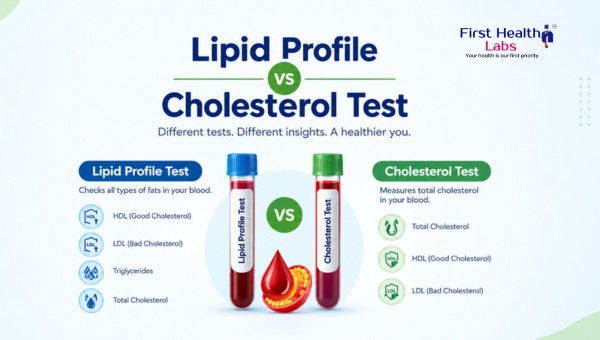
A cholesterol test may focus on one or more cholesterol measurements, while a lipid profile generally provides a broader assessment of blood lipids. Understanding the difference can help you know what each test measures and why a healthcare professional may recommend one over the other.This guide explains Lipid Profile vs Cholesterol Test, the measurements involved, how the tests are performed, and when they may be used.
Lipid Profile vs Cholesterol Test
A Lipid Profile Test is a blood examination used to check different fats present in the bloodstream. It provides useful information about cholesterol levels and can help healthcare professionals assess factors associated with cardiovascular health.
A standard lipid profile commonly reports:
-
Total Cholesterol – The combined amount of cholesterol measured in the blood.
-
LDL Cholesterol – A type of lipoprotein that carries cholesterol through the bloodstream and is an important part of cardiovascular risk assessment.
-
HDL Cholesterol – A lipoprotein involved in transporting cholesterol through the body and another key value included in the report.
-
Triglycerides – Fats in the blood that can vary based on diet, activity, body weight, genetics, and certain health conditions.
What Is a Cholesterol Test?
A cholesterol test is a blood test used to find out how much cholesterol is present in the bloodstream. The term can sometimes refer to a test that measures total cholesterol, while in other cases it may describe a broader set of cholesterol measurements. A cholesterol blood test can provide information about the amount of cholesterol in the blood and may be used as part of an assessment of cardiovascular health. Healthcare professionals usually consider these results together with factors such as age, blood pressure, medical history, and other risk factors.
The tests included under the name "cholesterol test" can differ between laboratories. Therefore, it is helpful to confirm which cholesterol measurements are included in the test before having the sample collected.
Lipid Profile vs Cholesterol Test: Key Difference
The main difference between a lipid profile and a basic cholesterol measurement is the amount of information provided.
A lipid profile generally examines multiple lipid measurements, including different types of cholesterol and triglycerides. A basic cholesterol test may refer to a narrower measurement, such as total cholesterol.
Here is a simple comparison:
|
Feature |
Lipid Profile |
Cholesterol Test |
|
Total cholesterol |
Usually included |
May be included |
|
LDL cholesterol |
Usually included |
May or may not be included |
|
HDL cholesterol |
Usually included |
May or may not be included |
|
Triglycerides |
Usually included |
May not be included |
|
Overall lipid information |
More comprehensive |
Can be more limited |
|
Common purpose |
Broader lipid assessment |
Cholesterol measurement or screening |
The exact contents can vary, so the test name alone does not always tell you everything included in the report.
What Does a Lipid Profile Measure?
A lipid profile usually provides several important measurements.
Total Cholesterol
Total cholesterol represents the overall amount of cholesterol measured in the blood. It includes cholesterol carried by different lipoproteins. Although total cholesterol provides useful information, it is generally interpreted together with the other lipid values rather than considered by itself.
LDL Cholesterol
LDL stands for low-density lipoprotein cholesterol. It is one of the main values examined when assessing cardiovascular risk. Higher LDL levels can be associated with cholesterol buildup in the arteries. However, the level considered appropriate can depend on a person's overall cardiovascular risk.
HDL Cholesterol
HDL means high-density lipoprotein cholesterol. It is another important component of a lipid profile.Healthcare professionals consider HDL along with LDL, triglycerides, total cholesterol, and other health factors when evaluating a person's lipid status.
Triglycerides
Triglycerides are another type of fat found in the bloodstream. Levels can be influenced by factors such as diet, physical activity, body weight, genetics, alcohol consumption, medications, and certain medical conditions.
Why Is a Lipid Profile Used?
A lipid profile can provide a broader picture of a person's blood lipid levels. It may be used during routine health screening, to assess cardiovascular risk, or to monitor previously identified cholesterol abnormalities.For people already receiving treatment for high cholesterol, repeat testing may help healthcare professionals evaluate changes in lipid levels over time.
However, a lipid profile does not by itself diagnose heart disease. The results need to be considered alongside factors such as age, blood pressure, diabetes status, smoking history, family history, and previous cardiovascular conditions.
Why Might a Cholesterol Test Be Recommended?
Cholesterol testing may be recommended as part of preventive healthcare or when a person has factors that could increase cardiovascular risk.
A healthcare professional may consider cholesterol testing when there is:
-
A family history of high cholesterol
-
A history of heart disease
-
Diabetes
-
High blood pressure
-
Tobacco use
-
Previous abnormal cholesterol results
-
Other cardiovascular risk factors
Cholesterol problems may not cause noticeable symptoms, which is one reason testing can be useful even when a person feels healthy.
Is a Lipid Profile More Detailed Than a Cholesterol Test?
In many cases, yes. A lipid profile usually provides information about several lipid measurements rather than focusing on one cholesterol value.
For example, knowing only the total cholesterol level gives less information than having results for total cholesterol, LDL cholesterol, HDL cholesterol, and triglycerides.
Are Lipid Profile and Cholesterol Tests the Same?
The terms are sometimes used interchangeably, but they do not always mean exactly the same thing. "Lipid profile" generally describes a panel containing several lipid measurements. "Cholesterol test" is a broader term that may refer to testing cholesterol levels without specifying how many measurements are included.
If you are unsure what your healthcare professional has requested, check the test name and parameters listed by the laboratory.
Does a Lipid Profile Require Fasting?
Fasting before a Lipid Profile Test is not necessary in every situation. Whether you should avoid food before the test depends on the type of lipid assessment being performed and the instructions given by your healthcare professional. In certain cases, fasting may be recommended, especially when triglyceride levels need to be evaluated or when the lipid test is being performed along with other investigations that require fasting.
If you have been asked to fast, make sure you follow the laboratory's instructions regarding the fasting period and what is permitted before the blood sample is collected. When no fasting instructions are provided, confirm the requirements with the testing facility beforehand.
How Is the Test Performed?
A Lipid Profile Test and most cholesterol tests are carried out by examining a blood sample. A trained healthcare professional typically draws a small quantity of blood from a vein, usually in the arm.
Once collected, the sample is carefully sent to a laboratory for analysis. The laboratory checks the specific cholesterol and lipid measurements included in the requested test and records the findings in a report.
The sample collection itself is usually completed within a few minutes. You may feel a brief prick during the procedure, and mild tenderness or a small bruise can sometimes develop where the blood was drawn.
What Can Affect Cholesterol and Lipid Results?
Several factors can influence blood lipid measurements. These may include:
-
Dietary habits
-
Physical activity
-
Body weight
-
Age
-
Genetics
-
Alcohol consumption
-
Smoking
-
Certain medications
-
Diabetes
-
Thyroid problems
-
Other medical conditions
Because many factors can affect lipid levels, one test result should not be interpreted without considering the person's overall health.
Which Test Should You Get?
There is no single answer that applies to everyone. The choice between a basic cholesterol measurement and a broader lipid profile depends on the reason for testing. If a healthcare professional wants a more complete assessment of cholesterol and triglycerides, a lipid profile may be appropriate. In other situations, a specific cholesterol measurement may be sufficient. It is best to follow the test recommended for your individual health needs rather than choosing a test based only on its name.
How Often Should Lipid or Cholesterol Testing Be Done?
Testing frequency varies from person to person. Age, previous results, family history, cardiovascular risk, existing medical conditions, and cholesterol treatment can all influence how often testing is recommended. Someone with previously abnormal lipid levels may require more regular monitoring, while another person may only need testing at intervals recommended as part of routine preventive care.
A healthcare professional can determine an appropriate testing schedule based on individual circumstances.
Lipid Profile vs Cholesterol Test: Which Provides More Information?
When comparing Lipid Profile vs Cholesterol Test, a lipid profile generally offers a more complete picture because it usually includes several lipid measurements. A single cholesterol measurement can still be useful, but it may not provide the same level of detail about LDL, HDL, and triglycerides The most suitable option depends on what information is needed and why the test is being performed.
Understanding Your Test Results
Lipid results should be interpreted as a group rather than focusing on one number. Healthcare professionals may compare the results with a person's age, medical history, blood pressure, diabetes status, smoking history, family history, and cardiovascular risk.
If your report contains an unexpected result, discuss it with a qualified healthcare professional before making changes to medication or treatment.
Conclusion
Understanding Lipid Profile vs Cholesterol Test can help explain why different cholesterol tests may provide different types of information. A lipid profile generally measures total cholesterol, LDL cholesterol, HDL cholesterol, and triglycerides, while the term cholesterol test may refer to a narrower or more general form of cholesterol testing. Both types of testing can have a role in preventive healthcare and cardiovascular risk assessment. The right test depends on your health history, risk factors, previous results, and the reason for testing. If you have questions about your cholesterol levels or are unsure which cholesterol blood test is appropriate, discuss your options with a healthcare professional. Test results should always be interpreted in the context of your overall health rather than by looking at a single value alone.
FAQ’s
1. What is the main difference between a lipid profile and a cholesterol test?
A lipid profile generally provides several measurements, including total cholesterol, LDL, HDL, and triglycerides. A cholesterol test may refer to checking cholesterol levels more generally or measuring a specific cholesterol value.
2. Is a lipid profile the same as a cholesterol blood test?
Not always. A cholesterol blood test is a general term, while a lipid profile usually refers to a panel that checks multiple types of lipids in the blood.
3. Which test gives more information about cholesterol levels?
A lipid profile generally provides more detailed information because it usually includes different cholesterol measurements along with triglycerides.
4. Does a cholesterol test measure triglycerides?
It depends on the type of test ordered. A basic cholesterol measurement may not include triglycerides, whereas triglycerides are commonly included in a standard lipid profile.
5. Why are LDL and HDL included in a lipid profile?
LDL and HDL provide additional information about the different forms of cholesterol in the blood. Healthcare professionals use these values together with other health factors when assessing cardiovascular risk.
6. Can I have a lipid profile without fasting?
Fasting is not required for every lipid profile. However, your healthcare professional may recommend fasting in certain circumstances, so it is important to follow the preparation instructions provided for your test.
7. Can these tests identify heart disease?
Neither a lipid profile nor a cholesterol test directly diagnoses heart disease. The results can, however, contribute to an overall assessment of cardiovascular risk.
8. How often should cholesterol levels be checked?
The appropriate testing interval varies between individuals. Age, previous results, family history, existing health conditions, and cardiovascular risk can all influence when testing should be repeated.
9. Can lifestyle habits change lipid test results?
Yes. Factors such as diet, physical activity, body weight, smoking, alcohol consumption, and certain medications can affect cholesterol and triglyceride levels.
10. Should I choose a lipid profile or a cholesterol test?
The appropriate test depends on the information your healthcare professional needs. A lipid profile may be recommended when a broader assessment of blood lipids is required, while a specific cholesterol test may be sufficient in some situations.
Recent Post
Kidney Function Test: A Complete Guide to Kidney Health
How to Check Kidney Health
Top 10 Essential Blood Tests for Adults

Why Annual Health Checkups Matter

Vitamin D Deficiency: Symptoms, Causes & Treatment
Early Signs of Diabetes: Warning Signs You Shouldn’t Ignore

Vitamin B12 Deficiency Symptoms

Benefits of Regular Health Checkups for Better Health

10 Essential Tests Every Diabetic Should Regularly Undergo

Unlocking the Benefits of Ozone Therapy for Skin: A Complete Guide