




Vitamin D Deficiency: Symptoms, Causes & Treatment
Aug 22, 2026
Vitamin D Deficiency is a common nutritional problem that occurs when the body does not have enough vitamin D to support its normal functions. Vitamin D helps the body absorb calcium and plays an important role in maintaining healthy bones and muscles.
Some people may have low vitamin D levels without noticeable symptoms. Others may experience tiredness, muscle weakness, bone discomfort, or other changes that can affect everyday activities. Understanding the causes and Vitamin D Deficiency symptoms can help you recognize when medical advice or testing may be appropriate.
Vitamin D Deficiency
Vitamin D deficiency occurs when the level of vitamin D in the body is lower than what is needed for normal health. The body can obtain vitamin D through sunlight exposure, certain foods, and supplements when recommended.
Vitamin D is important for calcium absorption and healthy bone development. It also supports normal muscle and immune system function.
The severity of Vitamin D Deficiency can vary from person to person. Some individuals may have low levels without obvious symptoms, while prolonged or significant deficiency can affect bones and muscles.
What Are the Symptoms of Vitamin D Deficiency?
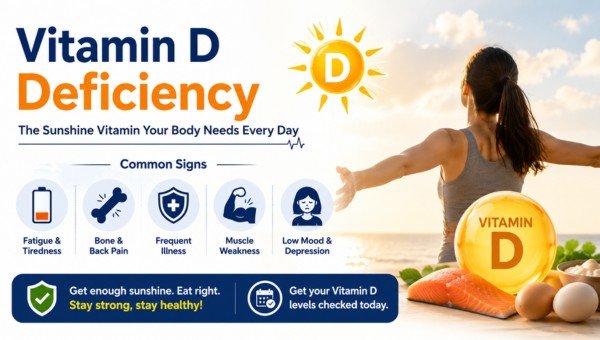
The symptoms of vitamin D deficiency are not always specific. Possible signs may include:
-
Persistent tiredness
-
Muscle weakness
-
Bone or muscle discomfort
-
Frequent aches
-
Reduced physical strength
-
Changes in mood
-
Difficulty maintaining healthy bones
These symptoms can also occur because of other nutritional deficiencies or health conditions. Symptoms alone cannot confirm Vitamin D Deficiency.
1. Persistent Tiredness
Feeling unusually tired may occur in people with low vitamin D levels. You may experience reduced energy or feel more exhausted during normal daily activities.
However, fatigue is a common symptom with many possible causes, including poor sleep, stress, anemia, thyroid problems, and other nutritional deficiencies.
2. Muscle Weakness
Muscle weakness can be associated with vitamin D deficiency. You may notice reduced strength when climbing stairs, exercising, or performing everyday physical activities.
Vitamin D contributes to normal muscle function, so maintaining adequate levels is important for overall physical health.
3. Bone and Muscle Discomfort
Low vitamin D levels can affect the body's ability to maintain healthy bones because vitamin D is needed for efficient calcium absorption.
Some people may experience general aches or discomfort in the bones or muscles. Persistent or unexplained pain should be evaluated because it can have many causes.
4. Frequent Aches and Pains
Unexplained body aches may sometimes occur with Vitamin D Deficiency, particularly when the deficiency is significant or prolonged.
The discomfort may be general rather than limited to one specific area. However, aches and pains can result from physical activity, injuries, arthritis, nutritional deficiencies, and other conditions.
5. Changes in Mood
Some studies have explored a relationship between vitamin D levels and mood. People with low vitamin D may sometimes report changes in mood or emotional well-being.
However, vitamin D deficiency is not considered the only cause of mood changes. Stress, sleep problems, hormonal changes, and mental health conditions can also affect mood.
Why Is Vitamin D Important?
Vitamin D performs several important functions in the body.
It helps:
-
Absorb calcium from food
-
Maintain strong bones
-
Support normal muscle function
-
Support normal immune system activity
-
Maintain overall skeletal health
Because of these roles, maintaining adequate vitamin D levels is important throughout life.
What Causes Vitamin D Deficiency?
Several factors can contribute to Vitamin D Deficiency.
Limited Sunlight Exposure
The body can produce vitamin D when the skin is exposed to sunlight. Spending little time outdoors or regularly covering most of the skin can reduce vitamin D production.
Inadequate Dietary Intake
Only a limited number of foods naturally contain vitamin D. People who consume few vitamin D-containing foods may have a higher risk of inadequate intake.
Reduced Absorption
Certain digestive conditions can affect the body's ability to absorb vitamin D from food.
Certain Medical Conditions
Some health conditions affecting the liver, kidneys, or digestive system may interfere with vitamin D metabolism or absorption.
Certain Medications
Some medications can affect vitamin D metabolism. If you take medication regularly, speak with a healthcare professional before making changes to your treatment or taking supplements.
Who Is More Likely to Have Low Vitamin D?
The risk of Vitamin D Deficiency can vary depending on lifestyle, age, diet, medical history, and other factors.
People who may have a higher risk include:
-
Older adults
-
People with limited sun exposure
-
Individuals with darker skin
-
People with certain digestive disorders
-
Individuals with conditions affecting vitamin D metabolism
-
People who are overweight or obese
-
Those taking certain long-term medications
Having a risk factor does not necessarily mean that a person has vitamin D deficiency.
How Is Vitamin D Deficiency Diagnosed?
Vitamin D deficiency cannot be reliably diagnosed based on symptoms alone. A healthcare professional may consider your symptoms, medical history, diet, lifestyle, and risk factors.
A blood test measuring 25-hydroxyvitamin D is commonly used to assess vitamin D status.
The appropriate interpretation of vitamin D levels can depend on individual circumstances and laboratory reference ranges. A healthcare professional can explain what your results mean and whether further evaluation is required.
Can Vitamin D Deficiency Affect Bones?
Yes. Vitamin D is important for calcium absorption and normal bone health.
When vitamin D levels remain low for a prolonged period, bone mineralization can be affected. Severe deficiency can contribute to conditions such as rickets in children and osteomalacia in adults. Maintaining adequate vitamin D and calcium levels is therefore important for skeletal health.
Vitamin D Deficiency and Calcium
Vitamin D and calcium work together to support healthy bones.
Vitamin D helps the body absorb calcium from the digestive system. If vitamin D levels are inadequate, calcium absorption may be reduced.
However, calcium and vitamin D requirements vary between individuals. Dietary needs and supplementation should be discussed with a healthcare professional when necessary.
How Can Vitamin D Levels Be Supported?
Vitamin D can come from several sources, including sunlight, food, and supplements.
Food sources may include:
-
Fatty fish
-
Egg yolks
-
Fortified milk
-
Fortified cereals
-
Some fortified plant-based beverages
Safe sunlight exposure may also contribute to vitamin D production, although the amount produced varies according to factors such as skin type, location, season, time of day, and clothing.
Can Vitamin D Deficiency Be Prevented?
Maintaining a balanced diet and getting appropriate sunlight exposure can support healthy vitamin D levels. Some people may also require supplements based on their individual needs. It is important not to take high-dose vitamin D supplements without professional guidance. Excessive vitamin D intake can cause abnormally high calcium levels and other health problems.
When Should You Consider a Vitamin D Test?
A healthcare professional may recommend a vitamin D test based on symptoms, medical history, risk factors, or certain health conditions. If you have persistent muscle weakness, unexplained bone discomfort, or other symptoms associated with Vitamin D Deficiency, discussing them with a healthcare professional can help determine whether testing is appropriate.
Final Thoughts
Vitamin D Deficiency can develop for several reasons, including limited sunlight exposure, inadequate dietary intake, reduced absorption, certain medical conditions, and some medications. While possible symptoms include tiredness, muscle weakness, aches, and bone discomfort, these signs can also occur with many other conditions.
Understanding Vitamin D Deficiency symptoms can help you recognize possible changes in your health, but symptoms alone cannot confirm a deficiency. If you are concerned about your vitamin D status, a healthcare professional can determine whether a blood test or further evaluation is appropriate.
FAQ’s
1. What is Vitamin D Deficiency?
Vitamin D Deficiency occurs when the body does not have enough vitamin D to support normal functions such as calcium absorption, bone health, and muscle function.
2. What are the common symptoms of Vitamin D Deficiency?
Possible symptoms include tiredness, muscle weakness, bone or muscle discomfort, frequent aches, and changes in mood.
3. What causes Vitamin D Deficiency?
Low vitamin D levels may result from limited sunlight exposure, inadequate dietary intake, reduced absorption, certain medical conditions, or some medications.
4. Who is at higher risk of Vitamin D Deficiency?
Older adults, people with limited sun exposure, individuals with darker skin, people with certain digestive conditions, and those taking specific medications may have a higher risk.
5. Can Vitamin D Deficiency cause tiredness?
Yes, persistent tiredness or low energy may occur with vitamin D deficiency. However, fatigue can also have many other causes, so it cannot confirm a deficiency by itself.
6. Can low vitamin D levels cause muscle weakness?
Vitamin D contributes to normal muscle function. When levels are low, some people may experience reduced muscle strength or physical stamina.
7. Does Vitamin D Deficiency affect bone health?
Yes. Vitamin D helps the body absorb calcium, which is essential for maintaining healthy bones. Prolonged or severe deficiency can negatively affect bone health.
8. How is Vitamin D Deficiency diagnosed?
A healthcare professional may recommend a blood test that measures 25-hydroxyvitamin D. The results are interpreted according to individual health factors and laboratory reference ranges.
9. What is the best test for checking vitamin D levels?
The 25-hydroxyvitamin D blood test is commonly used to assess vitamin D status. A healthcare professional can determine whether testing is appropriate for you.
10. Can sunlight help increase vitamin D levels?
Yes. The body can produce vitamin D when the skin is exposed to sunlight. However, the amount produced varies based on factors such as skin type, location, season, and duration of exposure.
11. Which foods contain vitamin D?
Vitamin D can be found in foods such as fatty fish, egg yolks, and some fortified products, including fortified milk and cereals.
12. Can Vitamin D Deficiency affect muscles and joints?
Low vitamin D levels may be associated with muscle weakness and bone or muscle discomfort. Similar symptoms can also occur because of other health conditions.
13. Can Vitamin D Deficiency be treated?
Treatment depends on the severity and underlying cause. A healthcare professional may recommend dietary changes, appropriate sunlight exposure, or vitamin D supplementation when necessary.
14. Can you take vitamin D supplements without a test?
Not everyone needs a vitamin D test or supplementation. Taking high doses without professional guidance can be harmful, so supplementation should be based on individual health needs.
15. When should I see a doctor about Vitamin D Deficiency?
Consider speaking with a healthcare professional if you have persistent fatigue, muscle weakness, unexplained bone discomfort, or risk factors for Vitamin D Deficiency.
Recent Post
Kidney Function Test: A Complete Guide to Kidney Health
Lipid Profile vs Cholesterol Test: What Is the Difference?
How to Check Kidney Health
Top 10 Essential Blood Tests for Adults

Why Annual Health Checkups Matter
Early Signs of Diabetes: Warning Signs You Shouldn’t Ignore

Vitamin B12 Deficiency Symptoms

Benefits of Regular Health Checkups for Better Health

10 Essential Tests Every Diabetic Should Regularly Undergo

Unlocking the Benefits of Ozone Therapy for Skin: A Complete Guide