
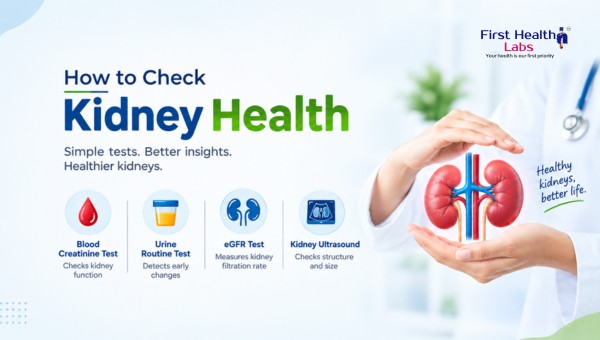




How to Check Kidney Health
Sep 09, 2026
The kidneys play an important role in keeping the body balanced. They filter waste products and excess fluid from the blood, help maintain electrolyte levels, and contribute to blood pressure regulation and red blood cell production. Knowing How to Check Kidney Health can help you understand which symptoms and medical tests may provide information about kidney function. Kidney problems may develop gradually, and some people may not notice symptoms until the condition has progressed.
How to Check Kidney Health
Healthy kidneys continuously filter the blood and remove waste through urine. They also help regulate fluids, minerals, and other substances required for normal body functions. Kidney health can be affected by conditions such as diabetes, high blood pressure, certain infections, family history, and some medications. Learning How to Check Kidney Health is particularly useful for people who have risk factors for kidney disease or existing health conditions that can affect kidney function.
Check Kidney Health?
Kidney health is generally evaluated using a combination of medical history, physical assessment, blood tests, and urine tests.
Common evaluations may include:
-
Estimated glomerular filtration rate (eGFR)
-
Blood urea
-
Urine albumin testing
-
Urinalysis
-
Blood pressure measurement
The specific tests required depend on your symptoms, medical history, age, and risk factors.
1. Serum Creatinine Test
A serum creatinine test is a commonly used blood test for evaluating kidney function. Creatinine is a waste substance generated naturally by muscle metabolism and is normally filtered out of the blood by the kidneys.
When the kidneys are not filtering efficiently, creatinine can build up in the bloodstream. However, creatinine levels may also vary because of factors such as age, muscle mass, diet, and certain medications.
For this reason, creatinine results are usually considered together with other measurements, such as eGFR, to get a clearer picture of kidney function.
2. Estimated Glomerular Filtration Rate (eGFR)
The eGFR estimates how efficiently the kidneys filter blood. It is generally calculated using blood creatinine along with factors such as age and sex. Healthcare professionals use eGFR as an important measure when assessing kidney function and monitoring chronic kidney disease.
A single eGFR result does not necessarily provide a complete picture of kidney health. Changes over time and other test results may also be considered.
3. Blood Urea Test
Blood urea testing measures the amount of urea present in the blood. Urea is produced when the body breaks down proteins and is normally removed by the kidneys. Higher levels can occur when kidney function is reduced, but dehydration, dietary factors, and other conditions can also affect urea levels.
This is why blood urea results are generally interpreted together with other kidney function tests.
4. Urine Test
Urine testing can provide important information about kidney and urinary tract health.
A routine urinalysis may look for substances or changes such as:
-
Protein
-
Blood
-
Glucose
-
Signs of infection
-
Other abnormalities
The presence of certain substances in urine may indicate that additional evaluation is needed.
5. Urine Albumin Test
A urine albumin test checks for albumin, a type of protein, in the urine.
Healthy kidneys generally prevent significant amounts of albumin from passing into urine. Increased urinary albumin can be an indicator of kidney damage, particularly in people with diabetes or high blood pressure.
Depending on the situation, a healthcare professional may recommend an albumin-to-creatinine ratio (ACR) test.
6. Blood Pressure Check
Blood pressure is closely connected with kidney health.
High blood pressure can contribute to kidney damage, while kidney problems can also affect blood pressure. Checking blood pressure regularly can therefore be an important part of assessing overall kidney health.
People with high blood pressure may require more frequent monitoring and kidney evaluation based on their individual risk.
7. Check for Symptoms
Kidney problems do not always cause noticeable symptoms in the early stages. When symptoms do occur, they may include:
-
Swelling around the ankles or legs
-
Changes in urination
-
Blood in the urine
-
Persistent tiredness
-
Nausea
-
Loss of appetite
-
Changes in urine appearance
These symptoms can have many possible causes. They should not automatically be interpreted as signs of kidney disease.
Who Should Pay More Attention to Kidney Health?
Certain people may have a higher risk of kidney disease and may benefit from discussing kidney screening with a healthcare professional.
Risk factors can include:
-
High blood pressure
-
Family history of kidney disease
-
Heart disease
-
Previous kidney problems
-
Obesity
-
Certain medications
-
Increasing age
Having a risk factor does not mean that kidney disease is present. However, it may make appropriate screening more important.
Kidney Health and Annual Health Checkups
Annual Health Checkups can provide an opportunity to discuss kidney health, particularly if you have conditions that increase your risk of kidney disease. Depending on your health profile, a healthcare professional may recommend blood pressure monitoring, kidney function blood tests, urine testing, or other assessments. However, not everyone needs the same kidney tests every year. The appropriate frequency depends on individual risk factors, previous results, and medical recommendations.
Understanding How to Check Kidney Health can help you have a more informed discussion about which tests may be suitable for you.
Can Kidney Disease Be Detected Early?
Some kidney problems can be identified through blood and urine testing before noticeable symptoms develop. For example, changes in eGFR or increased albumin in urine may provide useful information about kidney function or possible kidney damage. Early detection does not mean that every kidney condition can be prevented or identified through routine testing. Appropriate screening depends on individual circumstances.
How Can You Support Kidney Health?
There are several general habits that can support overall kidney health:
-
Maintain a balanced diet
-
Stay physically active
-
Keep blood pressure within a healthy range
-
Manage blood glucose if you have diabetes
-
Avoid smoking
-
Maintain a healthy body weight
-
Take medications only as directed
-
Attend recommended health screenings
People with existing kidney problems may have specific dietary or medication recommendations, so professional guidance is important.
When Should You See a Healthcare Professional?
Consider speaking with a healthcare professional if you experience persistent changes in urination, swelling, blood in your urine, unexplained fatigue, or other unusual symptoms. People with diabetes, high blood pressure, or a family history of kidney disease should also discuss appropriate kidney screening. Do not wait for symptoms if you have a known risk factor. Some kidney conditions can progress without obvious warning signs.
Conclusion
Understanding How to Check Kidney Health involves more than looking for symptoms. Blood tests such as creatinine and eGFR, urine tests such as albumin testing, and regular blood pressure measurements can provide useful information about kidney function. Annual Health Checkups may also provide an opportunity to discuss kidney screening and other preventive health measures. However, the tests and frequency of monitoring should be based on your age, medical history, symptoms, and individual risk factors. If you are concerned about your kidney health, a healthcare professional can recommend the appropriate tests and explain what your results mean.
FAQ’s
1. How can I check my kidney health?
Kidney health can be evaluated through blood tests, urine tests, blood pressure measurements, medical history, and other assessments recommended by a healthcare professional.
2. Which blood tests are used to check kidney function?
Common blood tests include serum creatinine, eGFR, and blood urea. These results are usually considered together rather than individually.
3. What is a serum creatinine test?
A serum creatinine test measures the amount of creatinine in your blood. Since the kidneys normally filter creatinine from the bloodstream, the result can provide useful information about kidney function.
4. What does an eGFR test show?
The estimated glomerular filtration rate, or eGFR, provides an estimate of how efficiently the kidneys filter blood. It is commonly used when evaluating kidney function.
5. Can a urine test detect kidney problems?
Yes. Urine testing can identify changes such as protein, blood, glucose, or other abnormalities that may indicate a kidney or urinary tract problem.
6. What is a urine albumin test?
A urine albumin test checks whether albumin, a type of protein, is present in the urine. Higher-than-expected levels can be associated with kidney damage and may require further evaluation.
7. Can high blood pressure affect kidney health?
Yes. Long-term high blood pressure can damage the blood vessels in the kidneys and affect their ability to function properly. Regular blood pressure monitoring is therefore important.
8. What are the early signs of kidney problems?
Kidney problems may not cause noticeable symptoms in their early stages. When symptoms occur, they can include changes in urination, swelling, blood in the urine, persistent tiredness, or nausea.
9. Can I have kidney disease without symptoms?
Yes. Some kidney conditions can progress without obvious symptoms. This is why appropriate screening can be particularly important for people with risk factors such as diabetes or high blood pressure.
10. Who should get their kidney function checked?
People with diabetes, high blood pressure, a family history of kidney disease, heart disease, previous kidney problems, or other relevant risk factors may benefit from discussing kidney screening with a healthcare professional.
11. How often should kidney function be tested?
There is no single testing schedule that applies to everyone. The frequency depends on your health, risk factors, previous results, and medical advice.
12. Are kidney tests included in Annual Health Checkups?
Some Annual Health Checkups may include kidney-related blood or urine tests, but this varies between health assessments. A healthcare professional can determine which tests are appropriate for your individual needs.
13. Can blood tests alone confirm kidney disease?
Blood tests provide important information about kidney function, but they may not be sufficient on their own. Healthcare professionals may also consider urine results, blood pressure, medical history, symptoms, and other investigations.
14. How can I maintain healthy kidneys?
Maintaining healthy blood pressure and blood glucose levels, staying physically active, following a balanced diet, avoiding smoking, and taking medicines as directed can support overall kidney health.
15. When should I see a doctor about my kidney health?
Speak with a healthcare professional if you notice persistent changes in urination, swelling, blood in your urine, unexplained fatigue, or other concerning symptoms. If you have kidney disease risk factors, ask about appropriate screening even if you feel well.
Recent Post
Kidney Function Test: A Complete Guide to Kidney Health
Lipid Profile vs Cholesterol Test: What Is the Difference?
Top 10 Essential Blood Tests for Adults

Why Annual Health Checkups Matter

Vitamin D Deficiency: Symptoms, Causes & Treatment
Early Signs of Diabetes: Warning Signs You Shouldn’t Ignore

Vitamin B12 Deficiency Symptoms

Benefits of Regular Health Checkups for Better Health

10 Essential Tests Every Diabetic Should Regularly Undergo

Unlocking the Benefits of Ozone Therapy for Skin: A Complete Guide